Hip dysplasia can feel overwhelming when you first hear the diagnosis —even in young dogs. It’s a common orthopaedic issue I see in both young and older dogs, and while it can be tough, there’s a lot you can do to keep your dog comfortable, strong, and moving well. with or without surgery.
Let’s break it down in a simple, practical way.
What Hip Dysplasia Actually Is
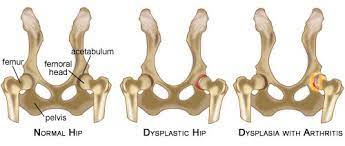
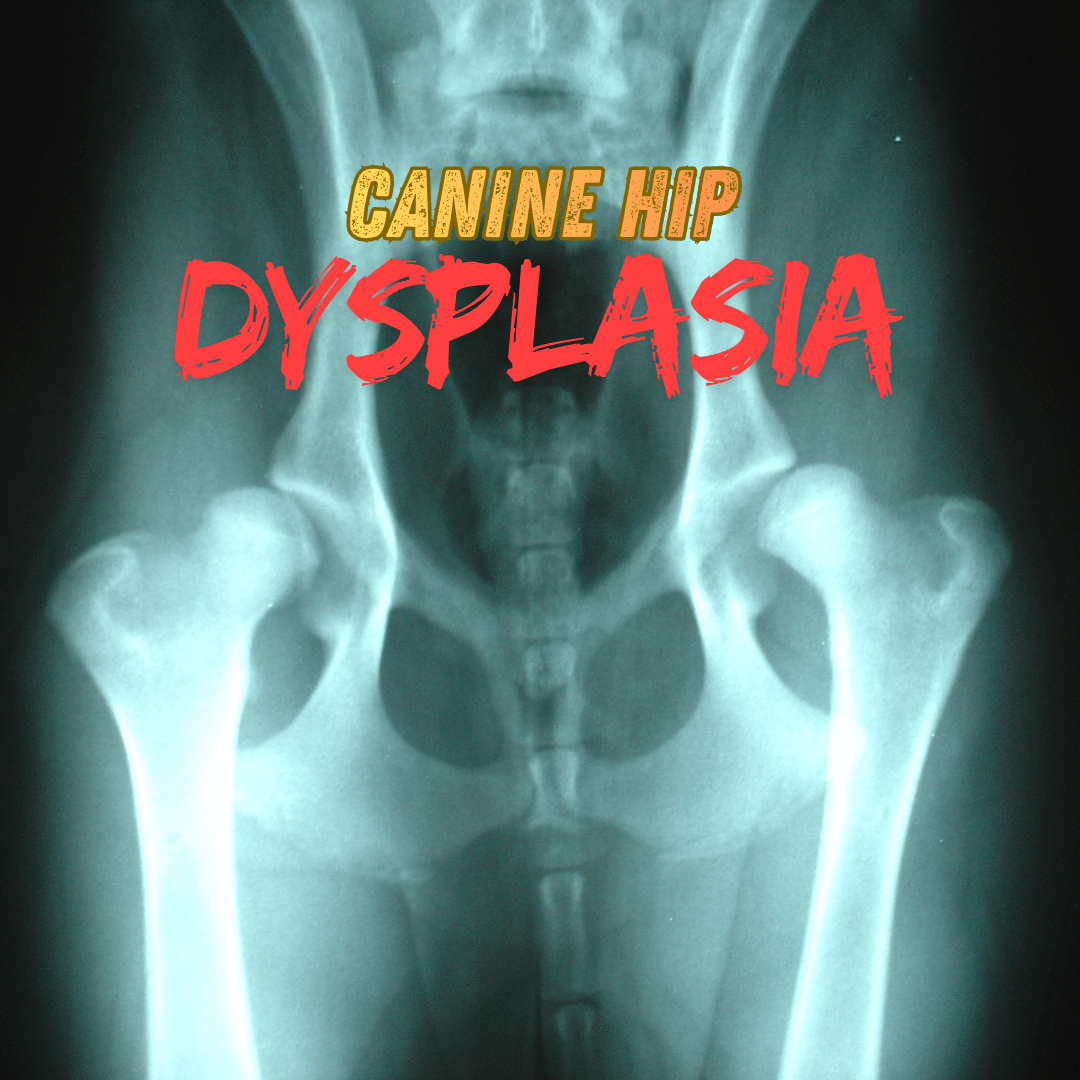
Hip dysplasia happens when the ball and socket of the hip joint don’t fit together properly. We want a food fit and with about 50% coverage of the head of the femur (ball), by the acetabulum (hip socket). This prevents the hip from popping up and out of sockets when your dog steps. A ligament, the joint capsule, and muscles help to hold the joint in place. Cartilage provides cushiony coverage. In hip dysplasia, the fit of that ball and socket joint become loose (lax) and results in abnormal movement which puts abnormal forces through the joint and overtime the cushiony cartilage breaks down leading to arthritic changes.
Common signs can look like:
- Decreased stamina on walks
- Limping or stiffness
- A wiggly walk in the hind legs and a “bunny hopping” when running
- Struggling to get up after resting
- Difficulty going up the stairs or jumping onto furniture
What Causes It (and Why That’s Good News)
Canine hip dysplasia is multifactorial and while genetics play a role, there isn’t one specific gene responsible, its polygenetic, meaning it is influenced by multiple genes working together— but research shows that it is even more heavily influenced by lifestyle and environment. In fact hip dysplasia is considered to be a developmental condition meaning as a puppy grows, the hips may change in part due to hereditary factors but also environmental like improper nutrition, over or under exercised, early desexing, slippery home environments, etc. Remember, it multifactorial, there isn’t one cause.
That’s actually good news because it means what you do day-to-day matters a lot.
What Really Helps Dogs With Hip Dysplasia
1. Keep Your Dog Lean and Well-Fed
Extra weight puts a huge amount of stress on painful hips. Keeping your dog lean is one of the most powerful things you can do.
2. Manage Pain AND Promote Joint Health
Pain doesn’t always look obvious. Work with your vet and rehab professional to build a pain plan — incorporate chondroprotective joint supplements, omega 3, and pain relief medications as needed. And PT can help with modalities that help reduce pain and sometimes, promote joint health (i.e. heat, kaser, pemf, etc). We want to promote pain free range of motions to keep those joints healthy.
3. Strength Over Rest
Movement is medicine — but it has to be the right kind.
Focus on:
- Controlled walks
- Strength-building exercises, especially things that strengthen the gluteal muscles
- Low-impact work like deep water walking
Avoid things like:
- Repetitive ball chasing
- Jumping on and off furniture
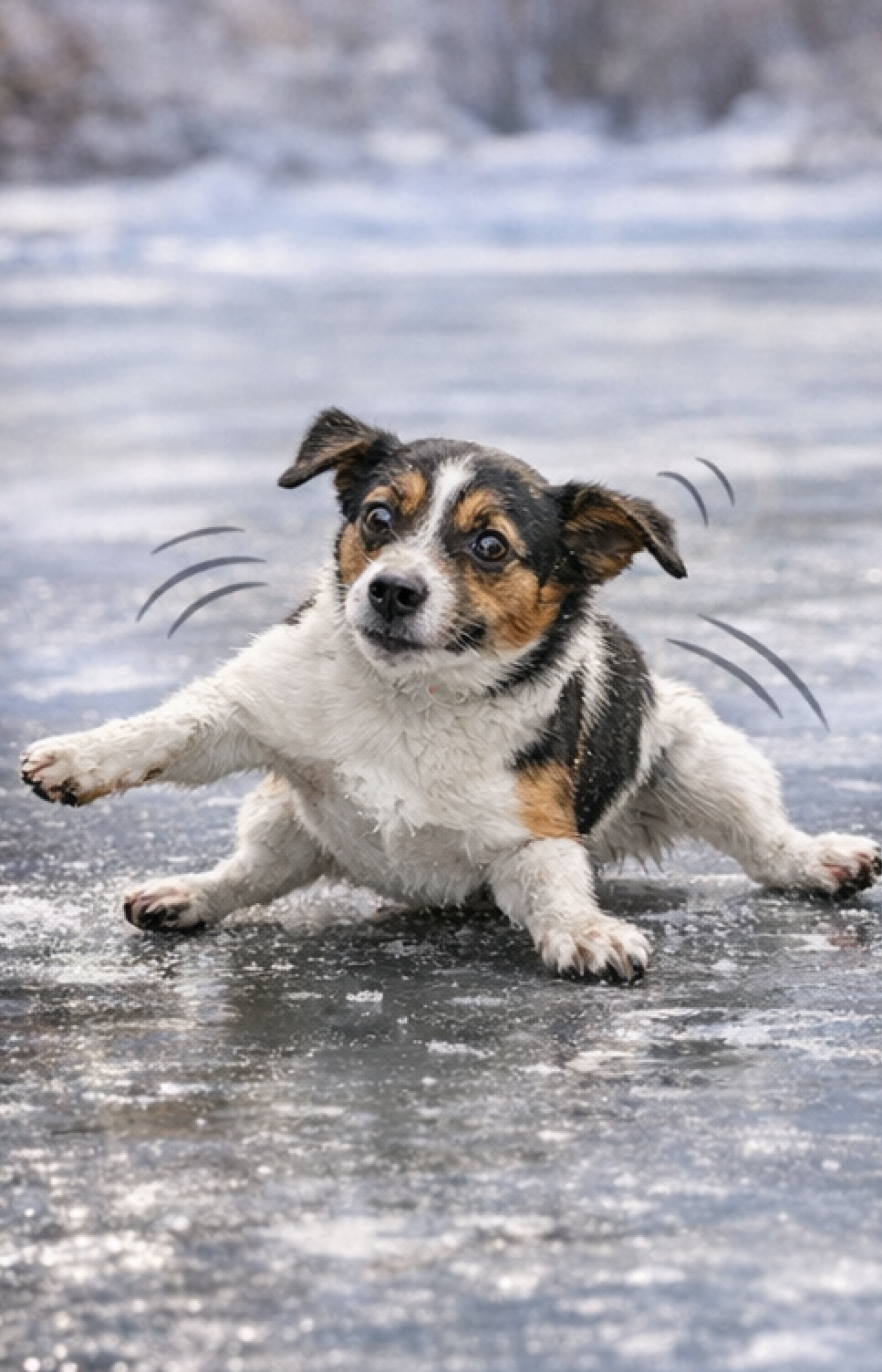
- Slippery floors
- Open chain exercises (foot is not in contact with the ground) may be painful on a lax joint
4. Make Your Home “Hip Friendly”
Small changes go a long way:
- Add non-slip rugs or mats
- Use gentle sloping ramps instead of stairs when possible
- Raise food bowls if needed
These tweaks help your dog move more safely and with less pain.
5. Support Tools Can Help
Some dogs benefit from proprioceptive support wear like the K-9 HipLign. These garments can improve posture, muscle activation, and body awareness — without restricting natural movement. (see important note below)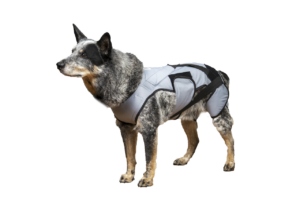
Your Dog’s Environment Matters More Than You Think
Puppies are born with normal hips. What happens after matters a lot.
Things that help reduce breakdown over time:
- Limiting stair use in really young puppies
- Avoiding slick floors
- Encouraging slow, controlled movement instead of chaotic pla
Muscle = Longevity
Strong muscles protect weak joints and improve function/
Dogs with good muscle mass tend to:
- Move better
- Hurt less
- Stay active longer
Strength isn’t about intense workouts — it’s about consistent, smart movement done the right way. Remember, we want to strengthen the gluteal (bum) muscles incrementally and without pain – i.e. paws up, 3 leg stand, backing up, K9 HipLign for built in resistance strengthening. (see important note below)
The Big Picture
Hip dysplasia doesn’t have to mean a short or painful life.
With:
✔ Smart nutrition
✔ Joint health focus
✔ Pain free strength-focused movement
✔ A supportive home setup
…your dog can still live a very active, happy life.
And you don’t have to figure this out alone. 💛
Additional resources
🎁 👉 For the month of December 2025, K9 HipLign is offering the Upward Dog community (that’s you!) 10% off the k-9 HipLign, https://k9motion.com/ . Use coupon code LWDD at checkout. 👈 🎁
👉Watch our interview with Lisa Bedenbaugh, Canine Rehab Practitioner and co-creator of the K9 HipLign with over 20 years experience as rehab practitioner.
👉Listen to Podcasts that might help
*Dr Steve Marsden: The Science Behind Healing Cruciate Injuries and Hip Dysplasia Without Surgery
* How to Recognize & Relieve Your Dog’s Arthritis Pain with Dr. Hannah Capon
* Canine Osteoarthritis 101 – Know the Signs & How to Slow It Down
👉Join our free facebook community, Living with Dogs with Disabilities where we air live interviews monthly and host PT Corner: Canine Rehab Conversations and Q&A
👉🔥👉 Get early access do all live interviews as well as additional exclusive resources only available inside Podcasts on Demand ! Coming soon -SIGN UP for our wait list and be the first to get access to exclusive content so you have the info you need, at your finger tips, to help your dog have the most mobile 2026 possible! Join the Waitlist and Be the 1st to Know! (expected to be released mid-dec 2025).